bwin case study
introducing a live betting experience for high-pressure decision-making
bwin is a digital sportsbook offering betting across multiple sports, including horse racing — one of the most time-critical and high-intensity experiences on the platform. this project focused on designing an experience that enables fast, confident decision-making under pressure without compromising clarity or user trust.
pain points definition
live betting represents the peak moment of user intent in the betting lifecycle. given its nature, combined with the large amount of data that horse racing betting interfaces typically present, there is a risk of:
- increased cognitive load due to rapidly changing real-time information
- elevated stress, as decisions are often irreversible and made under tight time pressure
this overload might lead to:
- slower decision-making and hesitation
- reduced user confidence
- diminished trust in the product
- lower conversion rates
discovery and first hypotheses
how might we enable fast, confident decision-making in a high-pressure, real-time environment without increasing cognitive overload?
based on previous user testing with horse racing bettors and competitive analysis, we hypothesized that reducing cognitive load through clear hierarchy and progressive disclosure as well as visual signaling for one-glance comprehension would boost confidence and speed in decision-making more effectively than increasing data density for more informed choices.
this approach involves a deliberate trade-off though: some information must be either removed or made less prominent. as a result, user decisions might become less comprehensive than in a traditional horse racing context. however, given the high-pressure, real-time nature of the live betting format, prioritizing speed and confidence was considered essential, making this compromise necessary.
ideation of the key insights
clear hierarchy
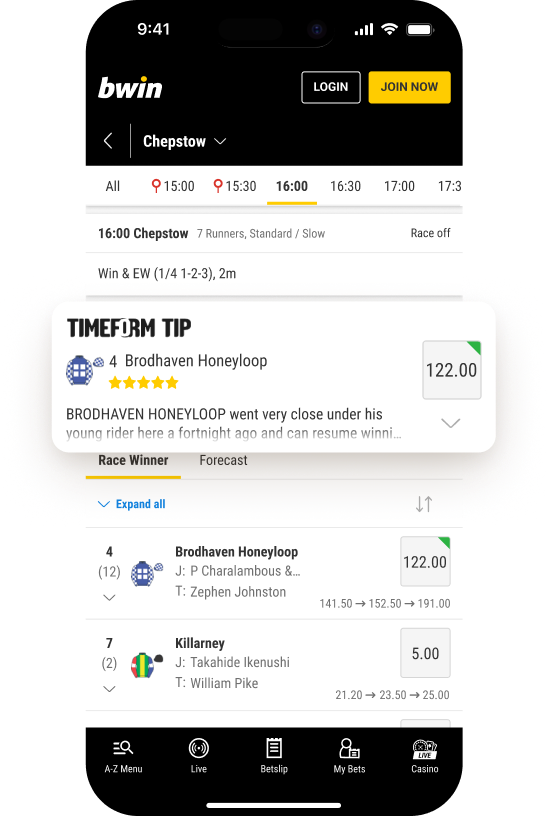
user interviews showed a clear shift in information usage between pre-race and live-race contexts. during live races, bettors relied on a significantly reduced set of data, with the horse's name and the visual of its silks mentioned most frequently, followed by the jockey's name and the horse's number.
based on that, we elevated these elements in the live-race interface for instant scanning using typographic contrast and spatial grouping aligned with attention patterns.
visual signaling
building on the previous point, it was essential to represent horse silks at a sufficient size and with accurate colors, rather than as abstract symbols, so users could quickly recognize their preferred horse at a glance. alongside this, users name real-time odds changes as one of the most critical inputs for betting decisions. to support faster interpretation, animated green and red arrows were integrated directly into the odds button, signaling positive and negative changes through predictable placement and enabling quicker pattern recognition than numerical updates alone.
progressive disclosure
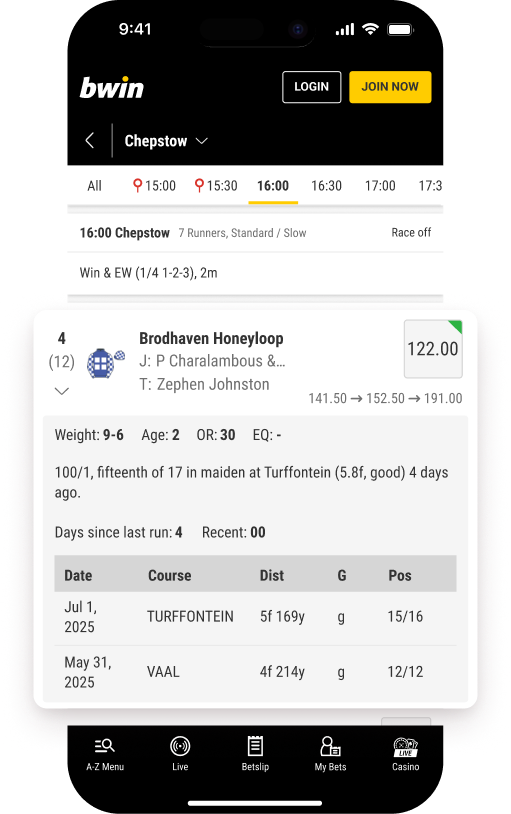
despite having to reduce the amount of information shown, we made sure to keep a set of advanced data for experienced users, who are an important part of product's audience. for them, betting experience is all about engaging their analytical thinking, which is central to the value they get from the product. to balance this, the most important advanced metrics were moved into a dropdown to simplify the interface, with an option to reveal all hidden metrics at once by tapping "expand all".
validation and outcomes
usability testing in a live-racing scenario showed that, compared to the standard pre-race betting journeys and live-betting experiences in other sportsbooks, users:
- made decisions faster
- experienced fewer moments of confusion or hesitation
- reported higher confidence in understanding race dynamics
- described the experience as "clean" and "easy to understand"
takeaways
for feedback from my manager of this project, check linkedin recommendations